
🌿 Eco-Tourism Success Stories in Jamaica: How the Island Is Building a Sustainable Travel Future in 2026
Published: April 16, 2026 | By TalkUpDiTingsDem News
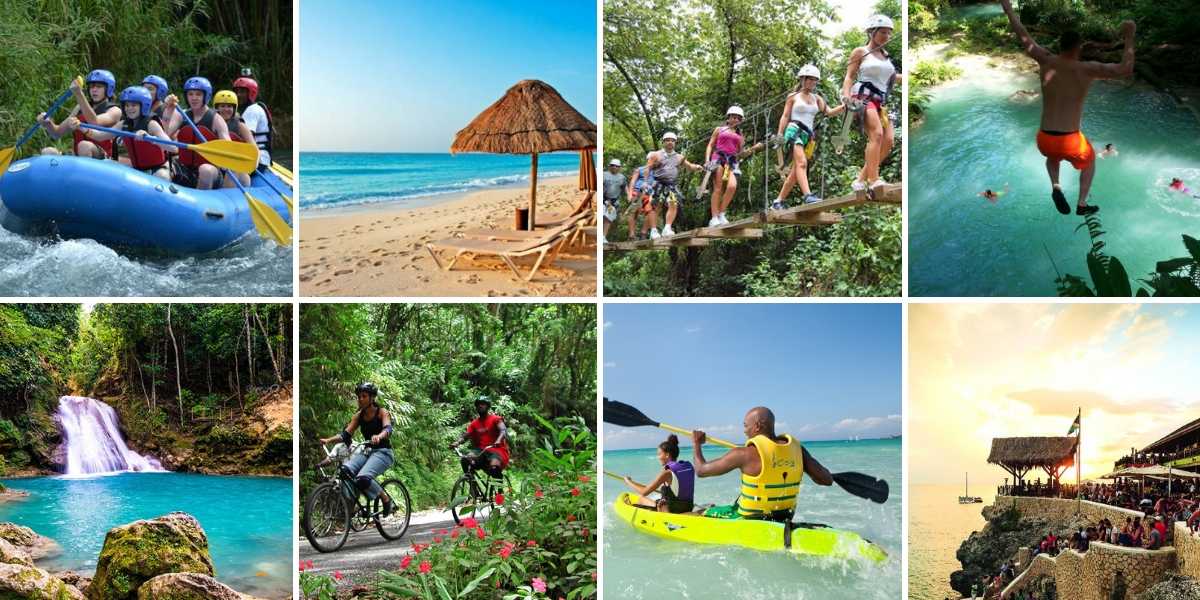
Jamaica is rapidly transforming its tourism industry through eco-tourism projects that focus on sustainability, community development, and environmental protection—positioning the island as one of the Caribbean’s leading green travel destinations in 2026.
🌱 What Eco-Tourism Means for Jamaica
Eco-tourism in Jamaica refers to travel experiences that prioritize environmental protection, cultural preservation, and local community involvement. Instead of focusing only on large all-inclusive resorts, the country is expanding nature-based tourism such as hiking trails, cave exploration, river tours, and community-led cultural experiences.
This shift is not only about attracting visitors—it is also about protecting Jamaica’s natural resources, which are central to its long-term tourism success.
🌳 Major Eco-Tourism Development Projects
One of the most significant developments is the expansion of reforestation and eco-tourism initiatives in rural parishes such as Trelawny. Local organizations have partnered with international foundations to restore forest areas while creating jobs in tourism and agriculture.
For example, community-based programs are planting tens of thousands of trees, including native species and fruit-bearing trees, to rebuild damaged ecosystems and create sustainable tourism zones that attract nature-loving visitors.
- Forest restoration and reforestation programs
- Community tourism training and employment
- Eco-friendly hiking and nature trails
- Support for rural entrepreneurship
🏞️ Community Tourism Success in Rural Jamaica
A major success story in Jamaica’s eco-tourism movement is the rise of community tourism, where local residents directly benefit from visitor spending. Instead of profits being concentrated in large hotel chains, rural communities are now offering authentic experiences such as farm tours, river excursions, and cultural heritage visits.
In areas like South Trelawny and parts of Westmoreland, eco-tourism has created new opportunities for small businesses, including guides, farmers, artisans, and transportation operators.
This model not only increases income but also strengthens cultural identity and preserves traditional Jamaican lifestyles.
🌊 Protecting Jamaica’s Natural Environment
Jamaica’s eco-tourism strategy is closely tied to environmental protection. Coral reefs, forests, rivers, and mountains are being integrated into tourism plans with strict sustainability guidelines.
Programs are now encouraging hotels and tour operators to adopt eco-certification standards, reducing waste, conserving energy, and supporting conservation projects.
Experts warn that without proper management, tourism growth could damage fragile ecosystems—but Jamaica’s new eco-tourism policies aim to balance growth with protection.
💼 Economic Impact of Eco-Tourism
Eco-tourism is becoming a major economic driver in Jamaica. It creates jobs not only in hotels but also in transportation, agriculture, guiding services, and local crafts.
Unlike traditional tourism models that rely heavily on large resorts, eco-tourism spreads income more evenly across communities. This helps reduce unemployment in rural areas and increases small business growth.
- Job creation in rural communities
- Growth of small tourism businesses
- Increased demand for local food and products
- More sustainable long-term tourism income
🌍 Why International Tourists Are Choosing Eco-Tourism
Global travel trends show that more tourists are now seeking authentic, sustainable experiences instead of traditional resort vacations. Visitors from Europe and North America are especially drawn to nature-based tourism, including hiking, river rafting, and cultural immersion experiences.
Jamaica is benefiting from this shift because of its natural diversity—mountains, beaches, forests, and rich cultural heritage all in one destination.
📊 Challenges Facing Eco-Tourism in Jamaica
Despite its success, eco-tourism in Jamaica still faces challenges. Infrastructure limitations, funding constraints, and environmental risks such as deforestation and climate change remain concerns.
Experts also emphasize the need for stronger regulation to ensure that tourism development does not harm sensitive ecosystems.
🔮 Future Outlook
The future of eco-tourism in Jamaica looks promising. With continued investment, community participation, and environmental protection policies, the island has the potential to become a leading eco-tourism destination in the Caribbean.
If current trends continue, Jamaica could significantly expand its nature-based tourism sector by the end of the decade, creating a more balanced and sustainable tourism economy.
📌 Key Takeaways
- Jamaica is rapidly expanding eco-tourism across rural and coastal areas
- Community-based tourism is creating jobs and boosting local economies
- Environmental protection is central to tourism development
- International demand for sustainable travel is increasing
- Eco-tourism is shaping the future of Jamaica’s tourism industry
💬 What Do You Think?
Do you believe eco-tourism is the future of Jamaica’s economy? Share your opinion in the comments below.



0 Comments